


LION TECHNICAL SOLUTION VIET NAM / Technical Support Solutions / Material Technical Solution / HOW TO CHOOSE MATERIALS WHEN PRECISION MECHANICAL PROCESSING IS NEEDED

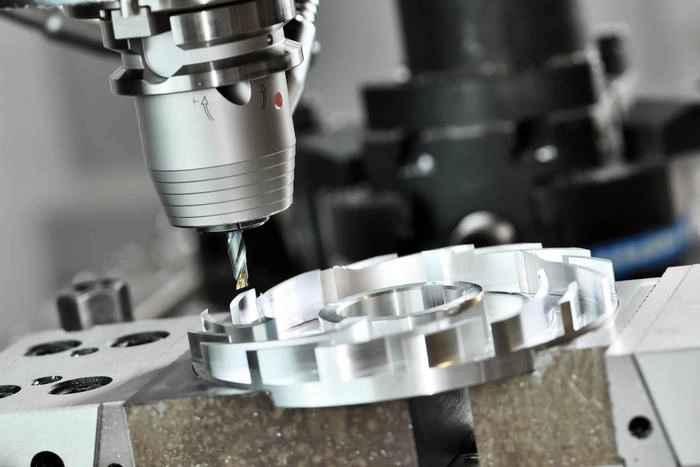
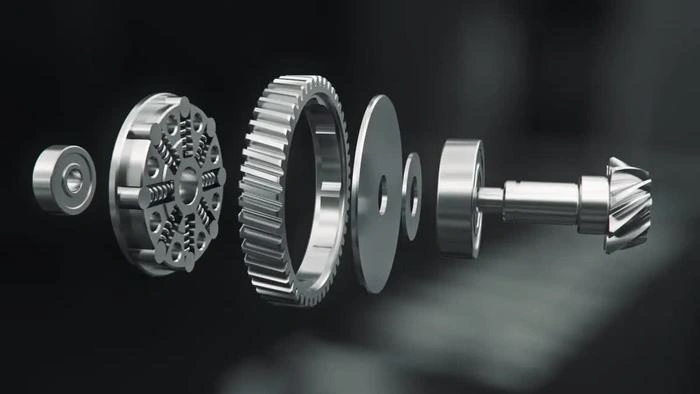
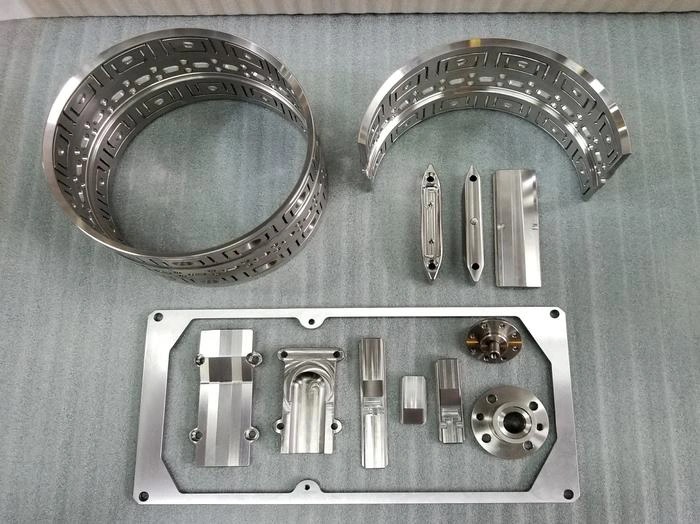
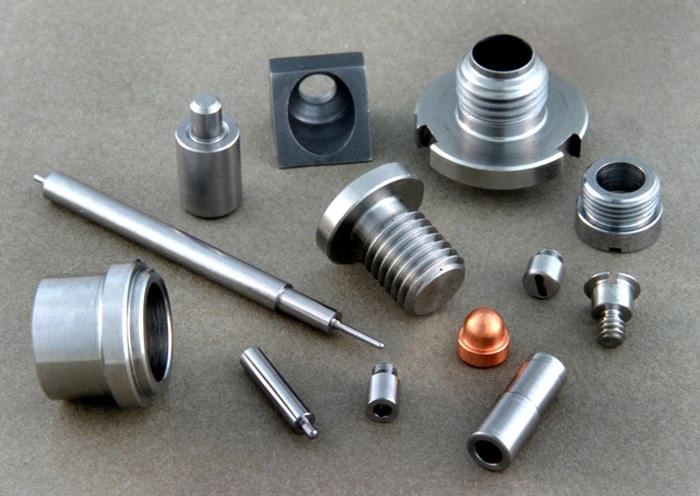
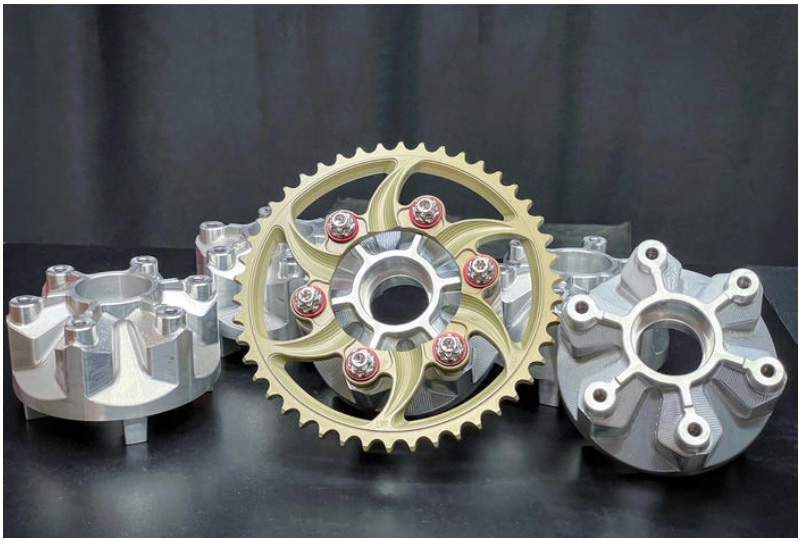
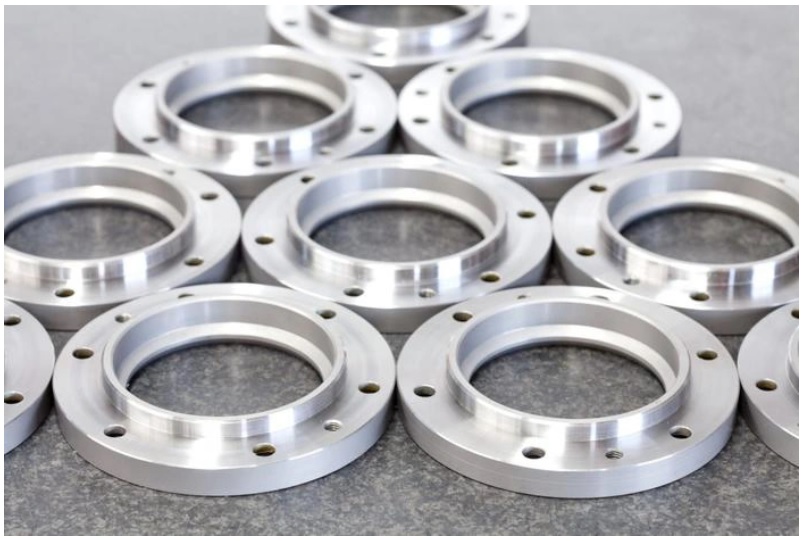
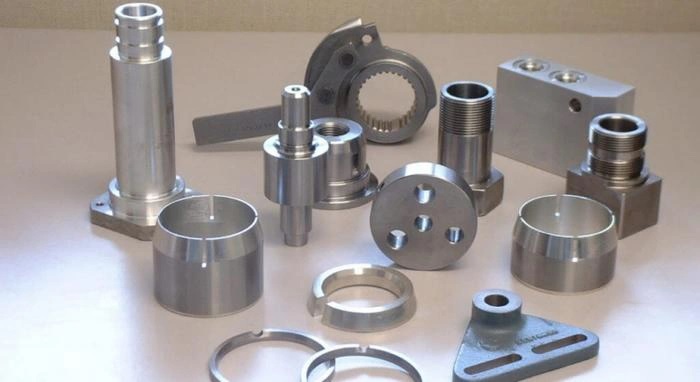
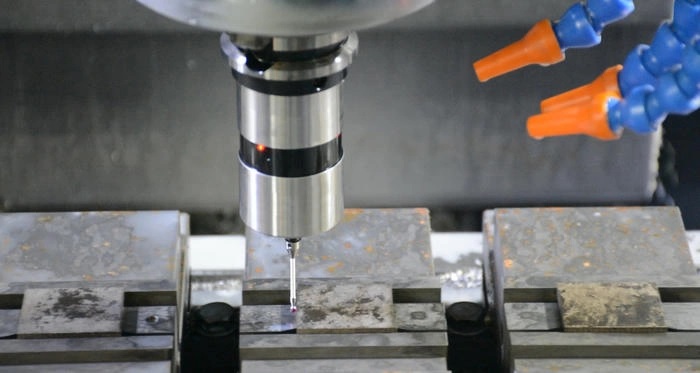


CNC machining is a great way to turn creative ideas into precise, working models. However, to take full advantage of this process, users must choose the right CNC machining material.
Choosing the right material will help your product exceed expectations, while the wrong choice will lead to disappointment when using the finished product. The use of CNC machining technology brings great flexibility to production processes.
You are not limited to just a few options, as there are many different types of CNC machining materials. However, the exact material right for each project can depend on many different factors. To help you choose the right mechanical processing materials for your project, this article Lion Technical Solution will provide the necessary information. With this information, you will be able to create the best CNC machining product without any difficulty.
Important factors when choosing CNC machining materials
Deciding which CNC machining materials are suitable for your project will depend on many different factors. However, after carefully considering these factors, we will only send you a few of the most typical factors so you can easily choose the appropriate document to use.
1. Choose based on the purpose of processing. To choose suitable CNC metal processing materials, the most important thing is to determine the intended use of the product. From there, you can list the types of materials that can be used for that purpose. For example, if you are manufacturing toys, metal materials cannot be used. Conversely, if you are making parts that involve insulation, you need to limit the use of parts with low conductivity.

2. Select according to the environment in which the finished product is used. Finished products for outdoor use need to use materials that can resist harsh weather conditions such as UV rays, rain and other factors. They require robust material properties and robust designs to ensure durability and reliability. In contrast, finished products used indoors are often environmentally controlled, unaffected by the effects of rain and sun. Therefore, there are more suitable material options for these parts.
3. Choose according to the load of the finished product. To ensure the finished product functions properly, it is important to calculate the load it must endure. If this factor is not taken into account, the finished product may be completely damaged. In case the finished product needs to have a high load, the material used needs to have high durability such as metal, alloy or plastic material with high load-bearing capacity.

4. Choose according to size tolerance. To produce precision parts, manufacturers need to take into account the dimensional tolerances of the material. This tolerance can affect the overall accuracy of the part. In many cases, dimensional tolerances are not important enough to warrant consideration. However, for applications such as research, development and medical devices, parts need high precision. However, it should be noted that accuracy will affect production costs.
If very low tolerances are required, manufacturing the part will require specialized cutting tools, and the longer the production time, the higher the cost will be. So if precision is a key requirement for your application, use materials with suitable tolerances. Besides, calculating the right dimensional tolerances from scratch is cheaper than having to change the part’s dimensions after it has been manufactured.

5. Choose according to machining ability. While materials with high hardness and durability may seem like the ideal choice for various applications, they are often difficult to CNC machining. Machining these materials requires more time and causes more wear and tear on the cutting tools. So, if you are looking for fast production and optimized maintenance, using materials with good machinability is a better choice.

6. Select according to the operating temperature of the finished product. When choosing materials for products, in addition to considering the operating temperature range and environmental conditions, consideration should be given to the material’s ability to handle temperatures during precision mechanical processing.
The material must be able to withstand temperature variations and compensate to ensure the accuracy of the final product. In addition, choosing a material also requires consideration of the material’s heat resistance during machining, especially during CNC milling using cutting tools that can cause heat.
Some plastic materials can handle certain operating temperatures, but deform when the temperature changes frequently. Therefore, it is necessary to ensure that the selected material is heat resistant and does not deform during processing to achieve the desired accuracy.
7. Choose according to chemical resistance. In addition to high temperature resistance, chemical resistance is also an important factor to consider. If you are using CNC machined parts in a chemical environment such as a laboratory or research center, choosing a chemical resistant material is important. Otherwise, the materials used may be affected by chemicals in the environment, reducing the performance and longevity of the part. For example, using metallic materials in acidic environments will encounter problems and is never a good choice.

8. Choose according to corrosion resistance. In environments with high humidity, the anti-corrosion properties of the material are also an important factor that needs to be considered. If materials do not have good corrosion resistance, they can easily corrode and rust. This is especially important when you require the use of high-strength metals in high-humidity work environments. In this case, using a corrosion-resistant alloy may be a better option to ensure the durability of your finished product after CNC machining.
9. Choose according to the weight of the finished product. The weight-bearing capacity and weight of the material are two factors that cannot be overlooked in most projects. In situations where the part will have to bear a lot of weight, choosing a material that is strong enough is important. However, these materials often have a higher weight. In cases where part weight is a concern, using a material with a high strength-to-weight ratio is a good practice.

10. Choose according to the durability and longevity of the finished product. It is not enough to produce a part, it is important that the part lasts its expected lifespan. Therefore, to ensure long-term survival, you need to consider the durability and longevity requirements of the material to be able to meet these characteristics. Factors to consider include tensile strength, abrasion resistance and staying power. Tensile strength is the amount of tension a material can withstand before breaking. Abrasion or abrasion resistance helps a material resist natural wear and tear throughout its lifespan. Enduring strength indicates the amount of stress an object can absorb. If high durability is required for the part, use impact-resistant materials.

11. Choose according to the cost of raw materials. In the process of choosing materials for precision mechanical processing, cost factor also plays an important role. In case the budget for the project is limited, you can only choose between plastic and ceramic. However, metals and their alloys have exceptional physical properties, but are also high-cost CNC materials. Therefore, material selection needs to ensure a balance between cost and necessary technical factors.

Above are the ways to choose CNC mechanical processing materials that Lion Technical Solution introduces to you. If you want to learn more knowledge about the mechanical industry, please refer to our other articles.


