IMPROVES CNC PROCESSED SURFACE QUALITY
Machining surface finish on product parts is always an important issue in precision engineering. Although the size and profile parameters are guaranteed, if the surface finish is poor, the product is rarely accepted and can affect the company's profits. Increasingly strict standards in precision engineering make the perfection of machined surfaces even more important. However, with Lion Technical Solution methods shared above, we hope you will trust us and let Lion Technical Solution help you in your greatest projects.

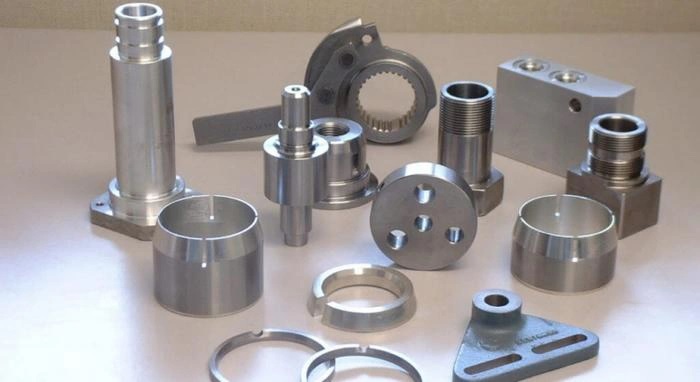
Machined parts may meet all dimensional specifications and function as intended, but if the surface finish is not perfect, the customer will reject them. At the same time, no manufacturer wants product parts to peel off due to poor surface finishing. This is especially true for parts that are visible on the end product and parts that are part of the mold. Therefore, improving machined surface quality is always an important issue, especially in the precision mechanical industry.

There are many factors that affect the quality of the machined surface, such as the properties of the machined material, machining method, coolant solution, cutting mode, processing machine system, and cutting knife. However, in this article, Lion Technical Solution will only provide general improvements, mainly based on cutting modes, machining machines and cutting tools. Of course there will be other solutions to improve the machined surface suitable for each specific case.

5 solutions to improve machined surface quality:
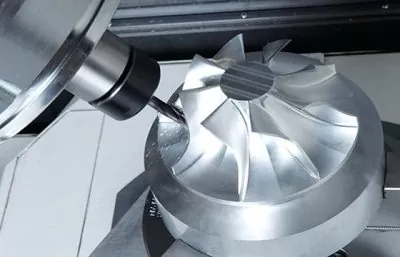
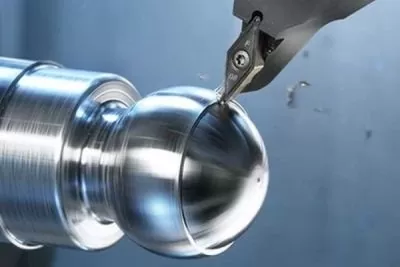
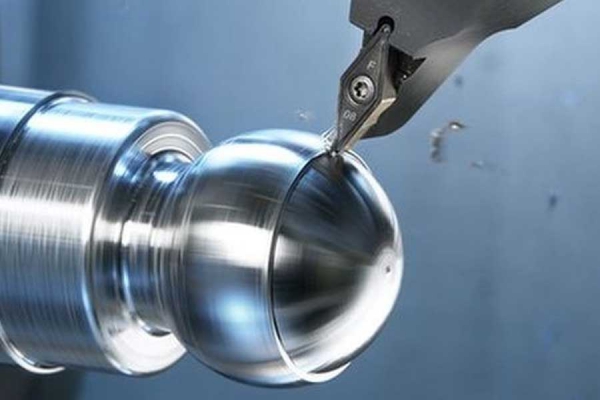
  1. Increase spindle speed, reduce tool feed. By increasing the spindle speed of the machining machine, the contact time between the cutter and the workpiece is reduced. This helps reduce tool chipping (material sticking to the cutting edge), avoids chipping on the workpiece surface, and helps extend tool life. While rapid material removal is the goal of roughing, gradual material removal to achieve the exact dimensions and required surface quality is the goal of finishing. . By reducing the feed, softer and shorter cuts can be made, allowing for a more uniform machined surface finish. Through a combination of both increased spindle speed and reduced feed, surface finish can be improved by reducing the problem of tool chipping.
  2. Reduces cutting tool vibration and runout. Make sure the cutting tool and tool holder are suitable for the job and material being worked on to ensure rigidity. Make sure that the parameters in cutting mode are within the recommended value range. Make sure that the cutting tool is held firmly in the chuck and that the workpiece is clamped firmly. Both of these will minimize vibrations of the tool, as well as of the workpiece during machining. The rigidity of the machining machine will also affect the vibration of the workpiece and tool.
  3. Ensures effective chip removal. The problem of chip breaking and improper chip removal can have adverse effects on the machined surface, as chips can abrade the workpiece and can even cause damage to the workpiece and the cutting tool. To overcome this, consider using tools that are suitable for the material and have good chip evacuation capabilities, or for chip-mounted knives, choose a suitable chip release chip. Chip escape chips are designed to bend chips, reduce chip length and better direct chip path.
  4. Increase rake angle. The rake angle is a parameter used in various cutting and machining processes, describing the angle of the cutting surface relative to the operation. Increasing the rake angle makes it easier to remove chips and helps minimize tool chipping, because it helps reduce cutting force and better chip removal, thereby helping to reduce the appearance of burrs and chips and scratches on the machined surface. labour. The rake angle also depends heavily on the design of the cutting tool, so in addition to the settings on the processing machine, choosing the right type of cutter is also something to keep in mind.
  5. Choose the appropriate coolant oil. Coolant used for machining processes is also a factor that helps make the machining surface more perfect because it helps drain chips better, lubricates the contact point between tool and workpiece, and reduces temperature during the process. cutting process, helps avoid tool damage, and increases tool life.

Machining surface finish on product parts is always an important issue in precision engineering. Although the size and profile parameters are guaranteed, if the surface finish is poor, the product is rarely accepted and can affect the company’s profits. Increasingly strict standards in precision engineering make the perfection of machined surfaces even more important. However, with Lion Technical Solution methods shared above, we hope you will trust us and let Lion Technical Solution help you in your greatest projects.

SEND US MAIL
Please message and we will get back to you!

    File/ Image